How should I photograph my carpet before a cleaner arrives?
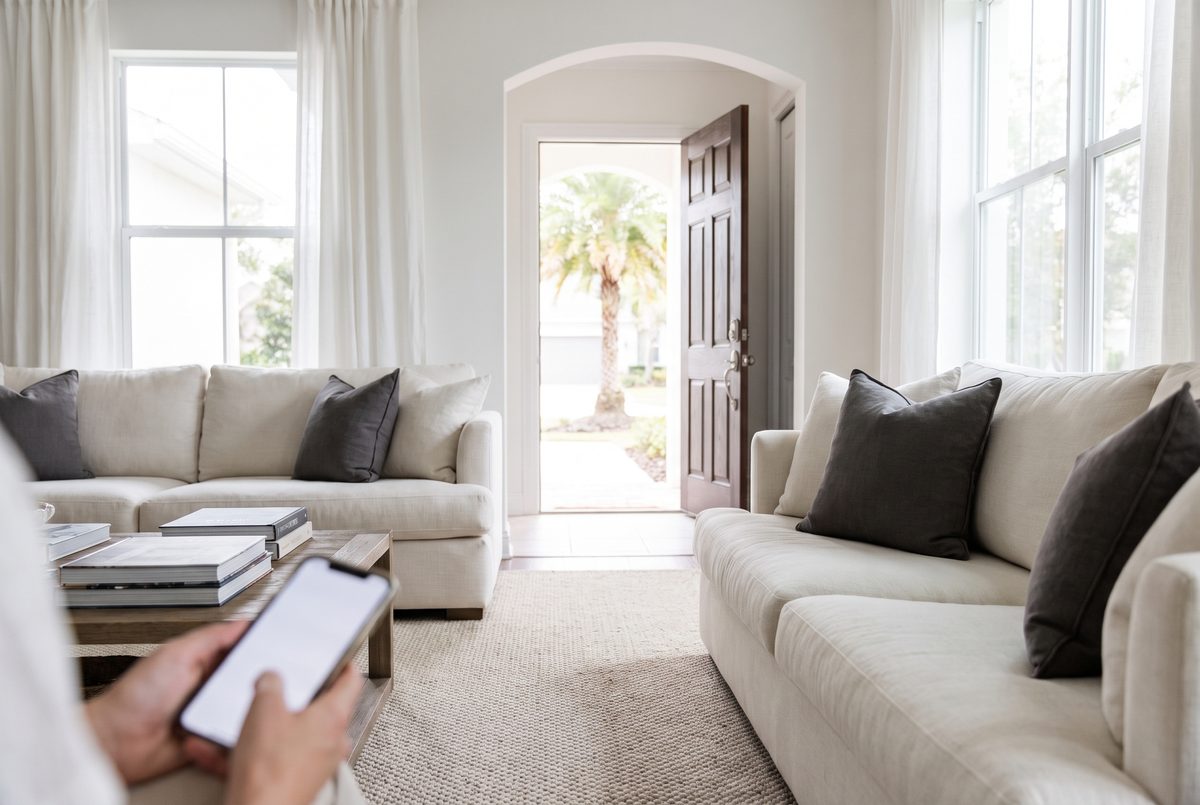
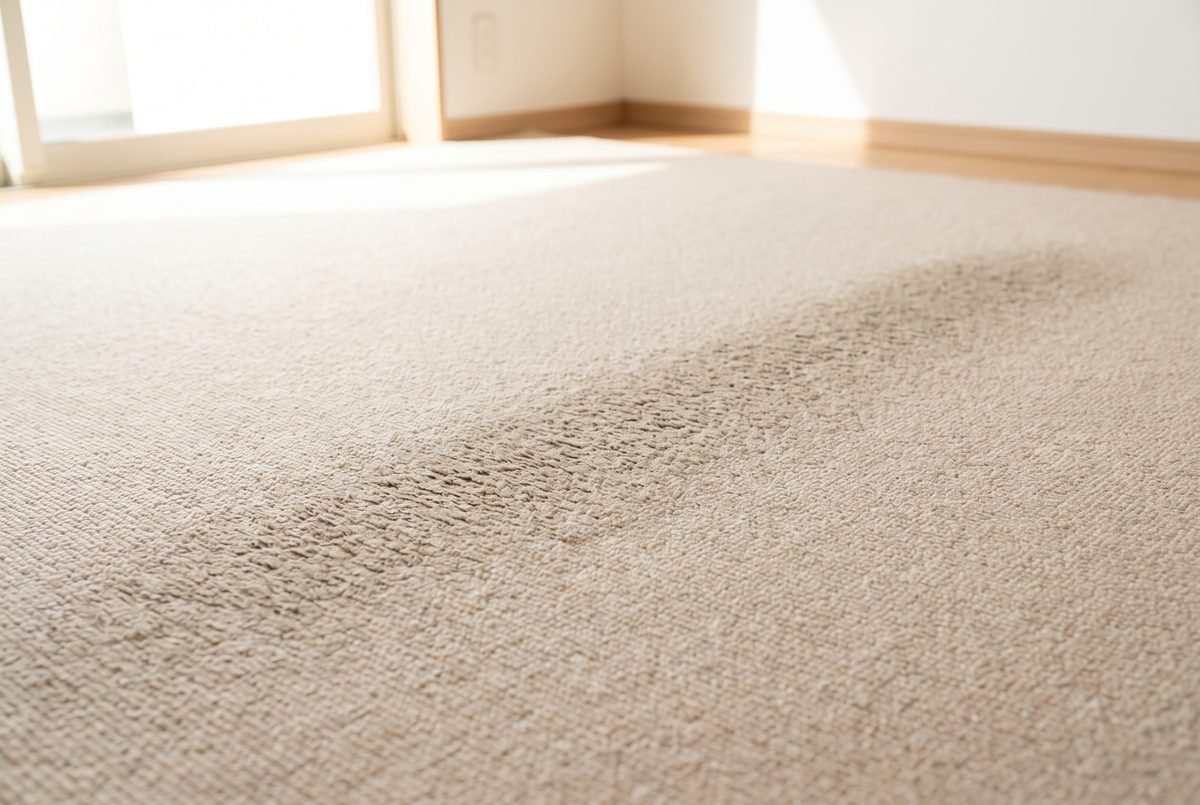
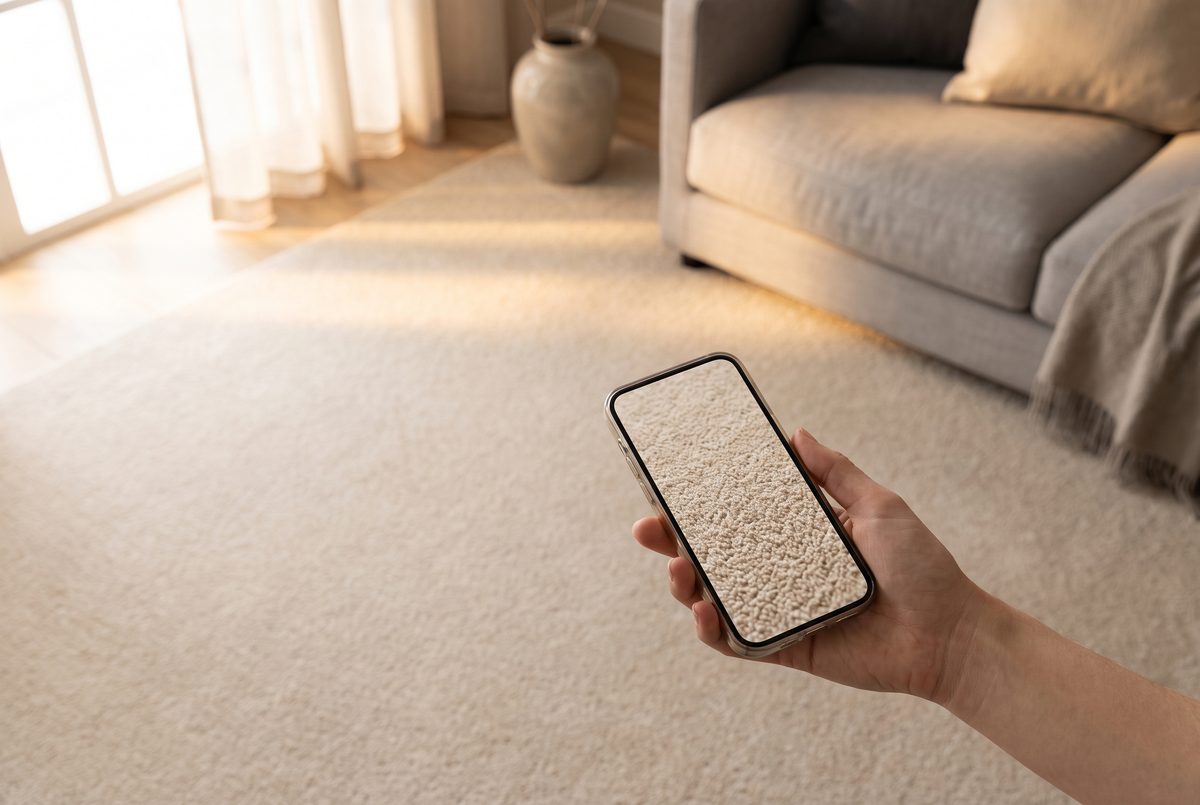
Go room by room before anything is moved, in daylight, with the flash off. One wide shot of each room from the doorway, then a close up of every mark you mentioned when you booked, with a coin or a ruler in the frame for scale. Note where you stood for each wide shot. Then do the whole thing again once the carpet is dry, from the same spots. That is the technique, and it takes about ten minutes.
Why does the before set have to happen first?
Because once the furniture moves, the shot cannot be matched. A sofa pulled out from a wall reveals carpet that has been protected for years and is a different color from the traffic lane in front of it. If your only before photo was taken after that sofa moved, you are now comparing two different pieces of floor and the comparison tells you nothing.
The same goes for light. Orlando daylight changes fast through the afternoon, and a room shot at nine in the morning and again at six in the evening will look like two different rooms regardless of what happened in between. Pick a time of day and use it twice.
What makes a photo actually comparable?
Four things, and none of them need equipment. Stand in the same place, which you can guarantee by noting the doorway and a fixed object in the frame such as a baseboard corner or a wall outlet. Hold the phone at roughly the same height, about chest level for a wide and directly above for a close up. Keep the flash off and use the same daylight. Leave the timestamp and location data alone.
On close ups, scale is what people forget. A dark mark photographed with nothing beside it could be the size of a thumbnail or a dinner plate, and a month later you will not be sure. A coin does the job. So does a ruler, a key or anything of a known size that stays consistent between the two sets.
Do not crop, filter or brighten. An edited photo is a weaker record than a plain one, and phone cameras already do enough automatic adjustment without help. If a room is genuinely too dark, open the blinds rather than reaching for an exposure slider.
| Shot | When to take it | How to take it |
|---|---|---|
| Wide room shot | Before furniture moves, then again once dry | From the doorway, flash off, same spot both times |
| Close up of each mark | Before the clean, then again once dry | From directly above, with a coin or ruler in frame |
| Traffic lanes | Before the clean, then again once dry | Down the lane from the doorway, at chest height |
| Damage already there | Before anyone unrolls a hose | Close up of burns, bleached patches and lifting seams |
| Grout lines | Before the clean, then again once dry | Low down, shooting along the line rather than across it |
| Upholstery care tag | Before the clean | One clear, close shot of the tag itself |
Not sure whether a mark will come out
Call or text HomeProud at (407) 501-6089, or ask for a free quote at homeproud.net, and describe what you are dealing with. You get a firm quote before any work starts and a straight answer about what to expect.
When do I take the after photos?
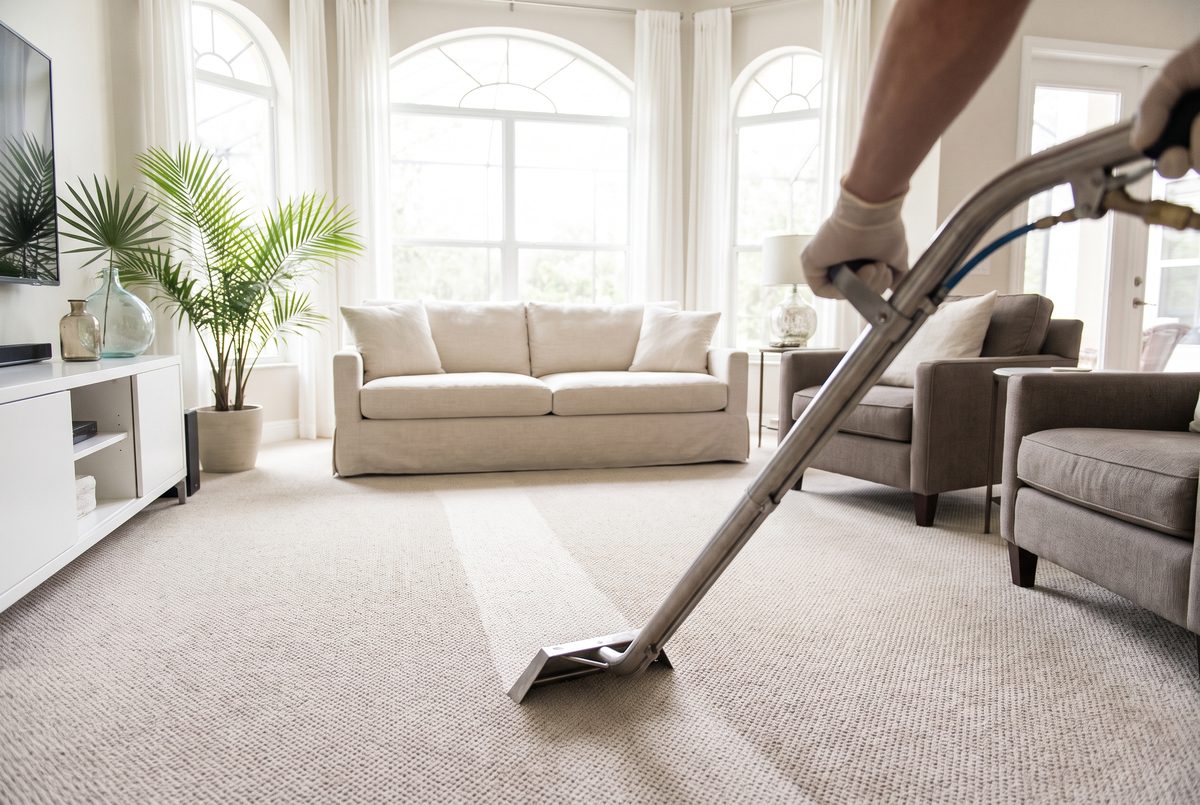
Once the carpet is fully dry, and it is worth waiting. Damp fiber lies flat and reads darker, so a photograph taken while the hose is still being coiled will show you a room that looks worse than the one you will have tomorrow.
After a hot water extraction clean the carpet surface is usually dry in two to six hours. Central Florida humidity does you no favors there, so airflow helps. If you can shoot the after set the following morning in the same light you used the day before, do that instead of rushing it.
How do I use the set afterwards?
Put the pairs side by side before you decide anything. Open the before and after of the same spot next to each other rather than scrolling between them, because scrolling relies on memory and memory is the thing you took the photos to replace.
If something genuinely did not shift, send the matched pair to the company with the room named and the date of the visit. That is a far stronger message than saying the living room still looks dirty, and it usually gets a faster answer, because the cleaner can see whether they are looking at remaining soil, wicking from a deeper spill, or permanent dye loss that was never going to come out. Our note on a deep clean that still does not look clean covers the difference.
And if the pairs show a clear improvement, you have your answer without a second opinion. Keep the set. It becomes the before set for next time, and comparing this year to last year tells you how often your house actually needs doing, which is more useful than any general rule about frequency.
Does any of this apply to tile and upholstery?
All of it, and grout benefits most. Grout lines are narrow and the change is dramatic, so a close up along the same line before and after is the clearest before and after photograph in home cleaning. Shoot down the line rather than across it, and get low.
Upholstery needs one extra habit. Photograph the fabric tag as well as the marks, because what a piece can safely take is decided by that tag, and having it on your phone saves a conversation later. The ten minutes you spend shooting is the cheapest part of the job, and it works the same for carpet cleaning and tile and grout cleaning. We cover Orlando, Winter Park, Dr. Phillips and Maitland.
Take the photos, then book the clean
HomeProud Inc is owner operated by Adam Corbett, licensed and insured, with no subcontracting. Call or text HomeProud at (407) 501-6089, or ask for a free quote at homeproud.net. You get a firm quote before any work starts.